
UPON THIS ROCK PRODUCTIONS
12 ANGRY JURORS
STAGE & TECH TEAM — PLANNING & MASTER OPERATIONS PLAN
Production Dates: September 25–27, 2026
Venue: UTR Dinner Theatre — Lower Level of The Streams Church
3425 Boulevard Place, Indianapolis, IN 46208
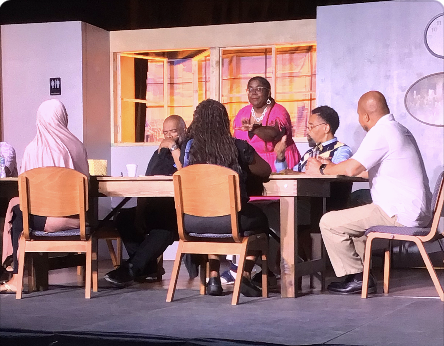
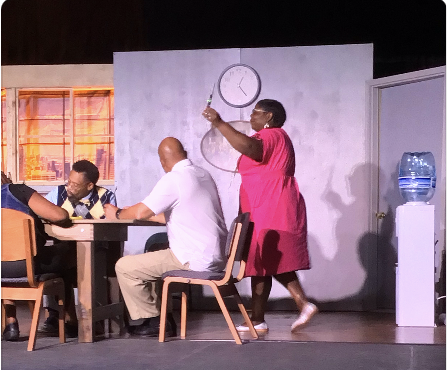
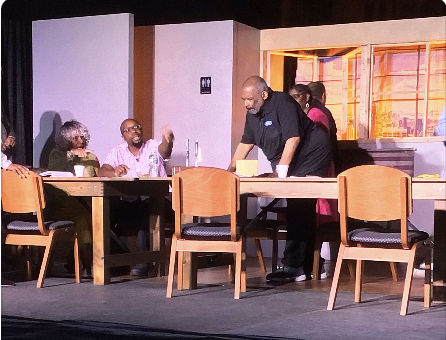
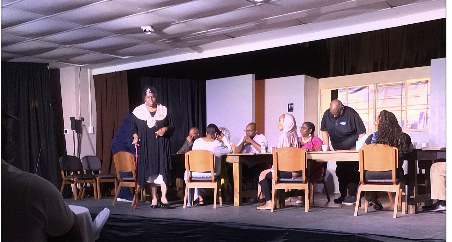
1. STAGE & TECH MISSION
The Stage & Tech Team is responsible for creating, operating, maintaining, and restoring the complete technical and visual environment for 12 Angry Jurors.
The goal is to support the actors and directors with a believable, consistent, safe, and professionally executed jury-room experience.
Primary areas of responsibility include:
Stage management
Stage set
Scenic dressing
Lighting
Sound
Properties
Costumes
Hair and makeup
Backstage operations
Technical rehearsals
Preset and reset
Performance operation
Strike and restoration
2. LEADERSHIP STRUCTURE
STAGE & TECH LEAD / TECHNICAL DIRECTOR
The Stage & Tech Lead oversees all technical departments and coordinates directly with the Directors and Production Leadership.
Recommended structure:
Directors / Production Leadership
↓
Stage & Tech Lead / Technical Director
↓
Stage Manager
Set / Scenic Lead
Lighting Lead
Sound Lead
Properties Lead
Costume Lead
Hair & Makeup Lead
Backstage / Crew Lead
Each department lead is responsible for staffing, preparation, maintenance, and execution within that area.
3. MASTER PRODUCTION TIMELINE
6–8 WEEKS BEFORE OPENING
Confirm final scenic concept
Measure performance space
Confirm audience configuration
Identify all set pieces
Create scenic build list
Create property list
Develop lighting concept
Develop sound plan
Begin costume planning
Begin hair and makeup planning
Identify technical equipment needs
Identify rental/purchase needs
Recruit technical crew
4–6 WEEKS BEFORE OPENING
Begin set construction
Acquire furniture
Acquire principal props
Begin costume fittings
Identify specialty costume needs
Prepare sound effects
Prepare preshow/intermission/postshow music
Begin lighting plot
Confirm microphones, if required
2–4 WEEKS BEFORE OPENING
Complete primary scenic build
Paint and dress set
Test major furniture placement
Complete principal prop collection
Finalize costume assignments
Complete lighting hang
Begin lighting focus
Test sound system
Test playback equipment
Establish backstage areas
PRODUCTION WEEK
Complete set installation
Final scenic dressing
Complete lighting focus
Program lighting cues
Program sound cues
Place props
Complete costume fittings
Complete hair/makeup tests
Conduct technical rehearsal
Conduct dress rehearsal
Conduct final safety inspection
4. STAGE SET / SCENIC DESIGN
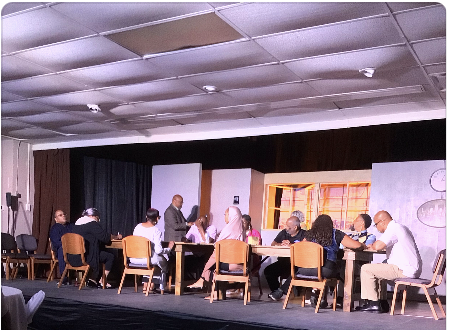
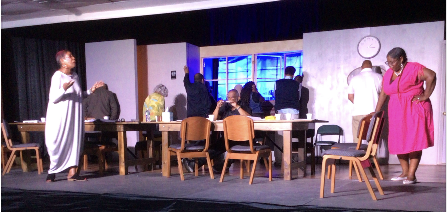
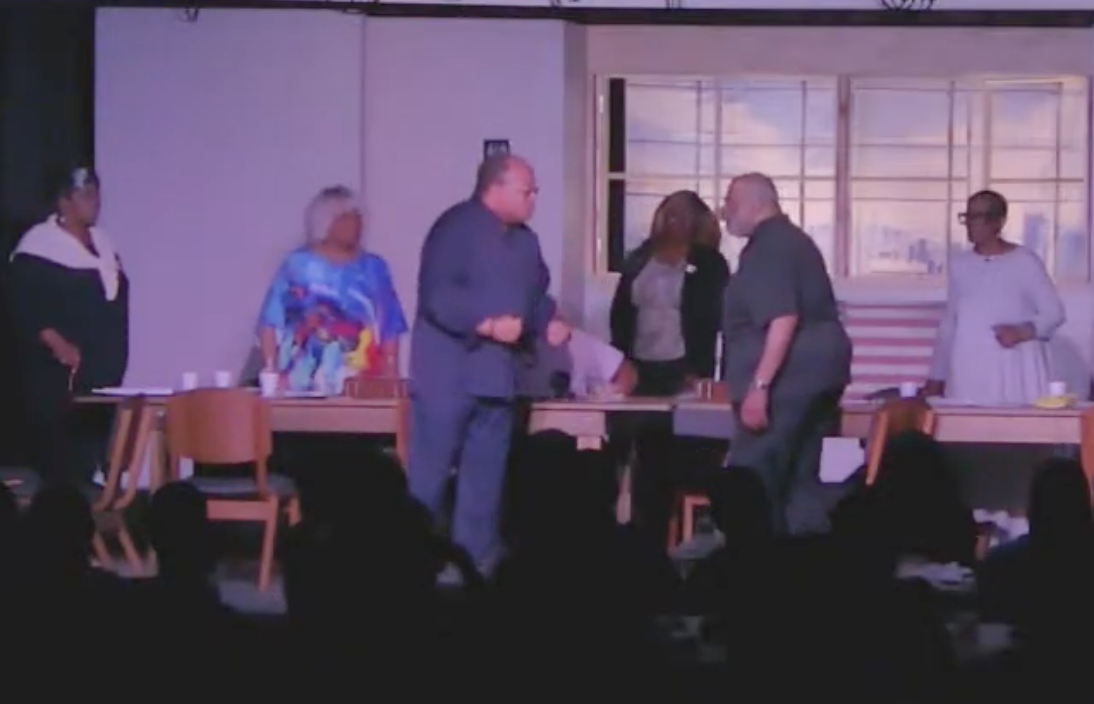
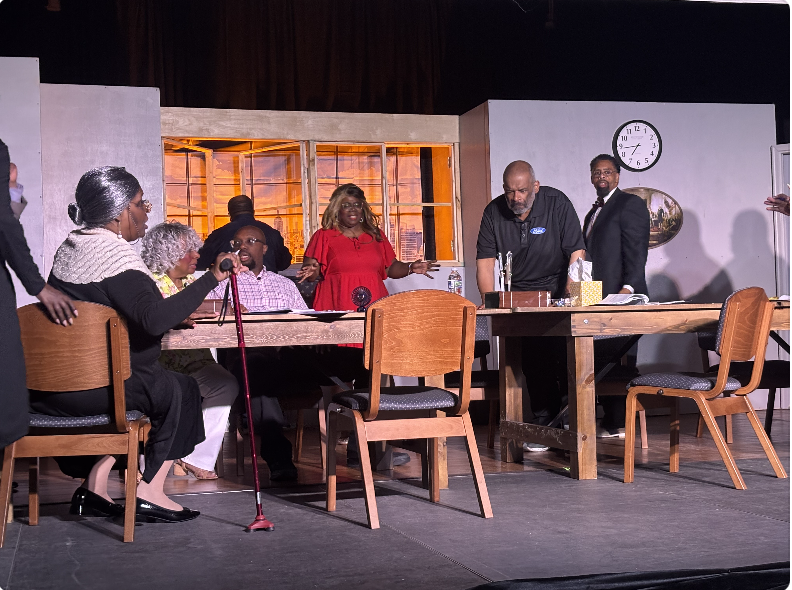
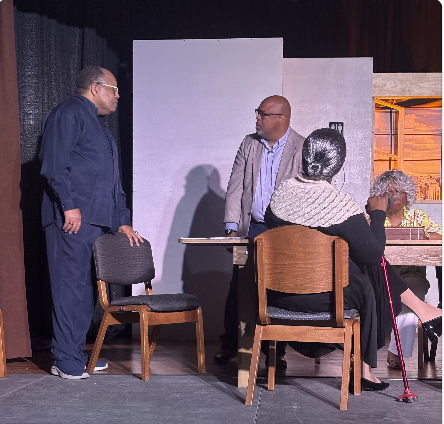
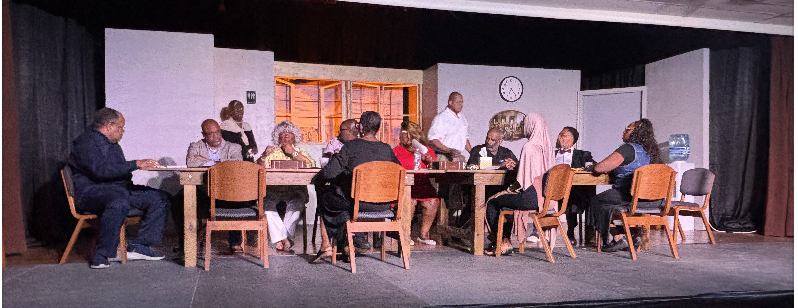
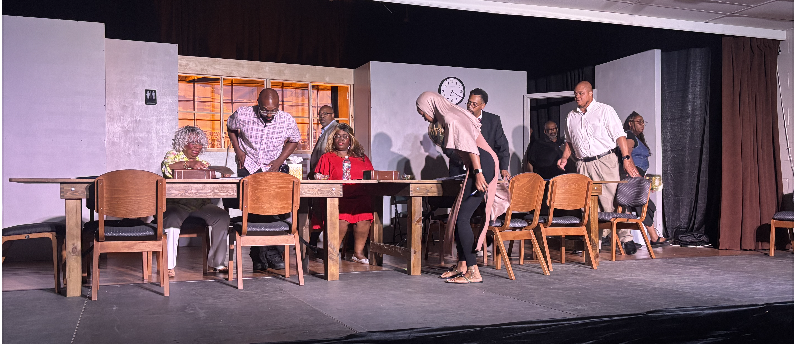
The set should immediately communicate a confined, institutional jury deliberation room.
The visual environment should support the tension of twelve people confined together while debating a life-or-death verdict.
PRIMARY SET ELEMENTS
Recommended scenic elements include:
Large central jury table
Twelve juror chairs
Foreperson position
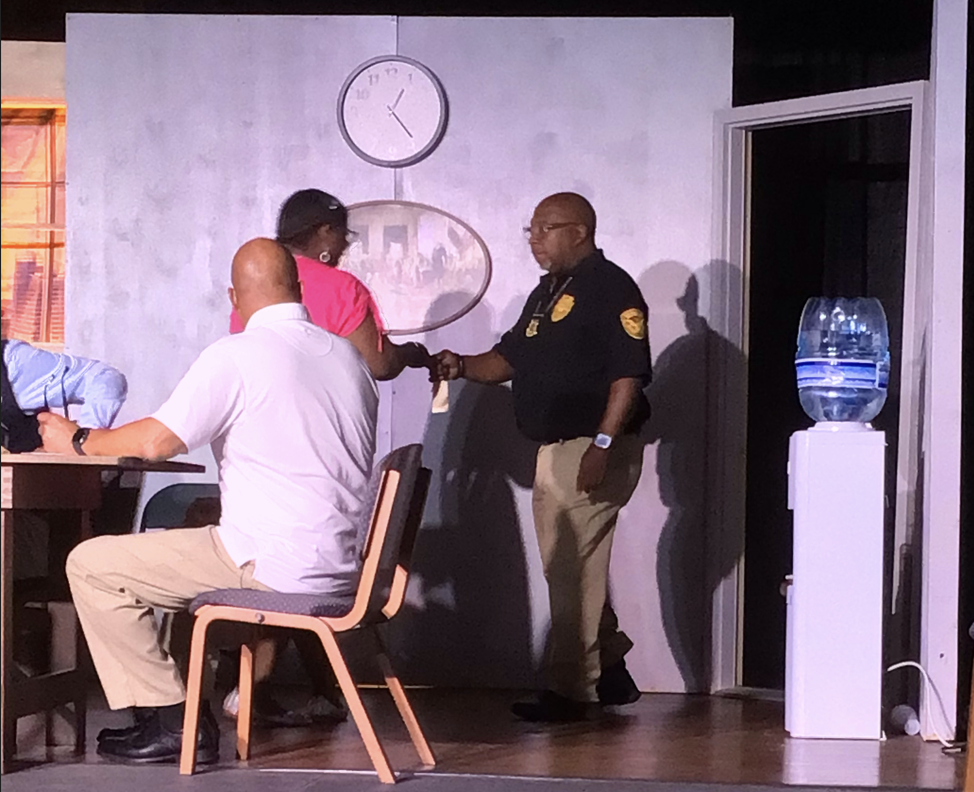
Jury-room door
Windows, if appropriate to scenic design
Wall clock
Radiator/fan/ventilation element
Wastebasket
Water area or cooler
Coat hooks
Side table
Legal/courtroom notices
Institutional wall treatment
Period-appropriate room dressing
SET DESIGN OBJECTIVES
The set should:
Feel cramped enough to create tension
Maintain clear audience sightlines
Allow actors to circulate naturally
Provide usable areas for blocking
Remain safe throughout intense scenes
Support entrances and exits
Avoid unnecessary visual clutter
5. SET BUILD & INSTALLATION CHECKLIST
Confirm measurements
Create floor plan
Confirm stage footprint
Confirm audience sightlines
Obtain jury table
Obtain twelve matching or appropriately coordinated chairs
Secure all furniture
Build/install jury-room door
Install scenic walls/flats
Paint scenic elements
Install trim/baseboard
Install wall clock
Install coat hooks
Install practical fixtures, if used
Place wastebasket
Place side furniture
Complete scenic dressing
Inspect for sharp edges
Secure loose scenic elements
Tape/mark backstage hazards
Complete final safety walkthrough
6. SCENIC DRESSING
The set should look lived-in and functional rather than decorative.
Possible dressing includes:
Court/county signage
Jury instructions
Wall calendar
Clock
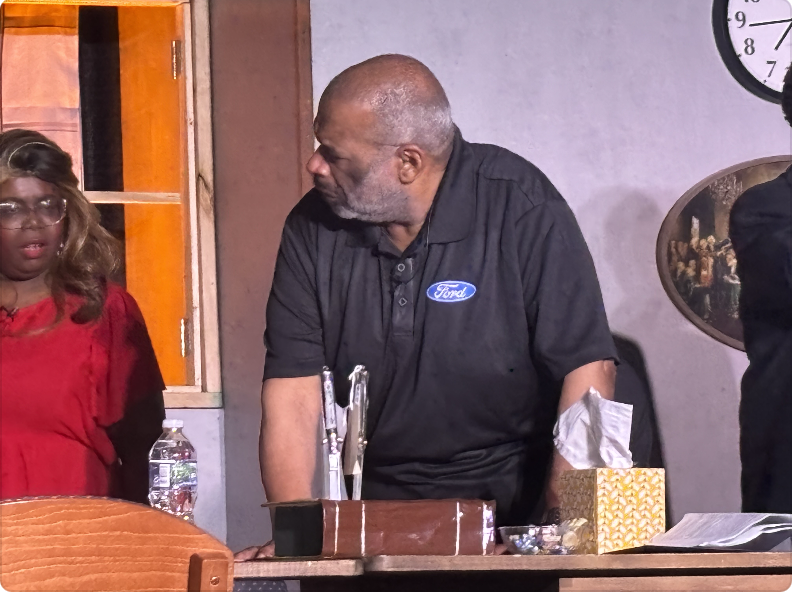
Water glasses
Paper cups
Notepads
Pencils
Ashtrays if historically appropriate and permitted
Coat rack/hooks
Window blinds
Institutional lighting fixtures
Period-appropriate office items
Every scenic item should either reinforce the environment or serve the action.
7. LIGHTING PLAN
Lighting should support realism, rising tension, emotional isolation, and changes in dramatic intensity without distracting from the actors.
LIGHTING OBJECTIVES
Provide full facial visibility
Maintain courtroom/jury-room realism
Support dramatic shifts
Create visual focus
Preserve audience sightlines
Avoid excessive spill into audience areas
Provide safe backstage travel
LIGHTING AREAS
Potential areas:
Jury table center
Door/entrance
Window area
Side areas
Foreperson position
General room wash
Special dramatic zones
8. LIGHTING EQUIPMENT & CUE CHECKLIST
Inventory available fixtures
Confirm electrical capacity
Create lighting plot
Hang instruments
Cable instruments
Address/control fixtures
Focus instruments
Create general jury-room wash
Program cues
Test transitions
Eliminate dark actor positions
Reduce unwanted audience spill
Test house-light control
Test emergency lighting
Save console show file
Create backup show file
Prepare printed cue sheet
9. HOUSE LIGHTING
House lighting must coordinate with Front of House and Stage Management.
Recommended sequence:
House Open: Full audience-safe lighting
Pre-Show: Appropriate audience seating level
Places Called: House begins preparing for performance
Curtain: House lights fade completely or to approved performance level
Post-Show/Table Talk: House lights return to designated level
No house-light change should occur without Stage Manager authorization.
10. SOUND PLAN
Sound should be clear, unobtrusive, and supportive of the production.
Because 12 Angry Jurors relies heavily on dialogue, intelligibility is critical.
SOUND RESPONSIBILITIES
Actor reinforcement, if microphones are used
Preset music
Preshow music
Environmental sound
Sound effects
Intermission music, if applicable
Post-show music
Table Talk support
Audience announcements, if required
11. MICROPHONE PLAN
Determine whether actors will perform:
Completely acoustically
With area microphones
With bodypack/lavalier microphones
With a hybrid system
If body microphones are used:
Assign transmitter to each actor
Label transmitters
Label microphones
Establish charging/battery procedure
Conduct mic check before each performance
Secure mic placement
Maintain backup batteries
Maintain spare microphone
Create frequency/channel list
Establish malfunction procedure
12. SOUND EFFECTS
Potential sound effects should be finalized with the Directors.
Possible effects may include:
Courthouse ambience
Distant thunder/rain, if used
Door sounds
Fan/ventilation sound
Clock or environmental sounds
Transitional soundscape
All cues should be documented in the Stage Manager's prompt book.
Sound Checklist
Finalize sound effect list
Acquire/create approved effects
Edit levels
Load playback system
Label cues
Create backup audio
Test speakers
Test playback computer/device
Test operator headset/communication
Run all cues during technical rehearsal
13. PROPERTIES DEPARTMENT
The Properties Team is responsible for sourcing, organizing, presetting, maintaining, and collecting all objects handled by actors.
MASTER PROP CATEGORIES
TABLE PROPS
Potential items:
Papers
Case notes
Pencils
Notepads
Ballots
Ballot slips
Water glasses
Cups
Evidence-related materials
PERSONAL PROPS
Potential items:
Eyeglasses
Handkerchiefs
Watches
Wallets
Pens
Cigarette packages, if simulated/approved
Jackets
Hats
Personal papers
SPECIAL PLOT PROPS
Any item central to the plot must be:
Accurate
Durable
Safe
Consistent
Rehearsed repeatedly
14. PROP TABLE SYSTEM
A dedicated prop table should be established backstage.
Every prop should have:
A labeled location
A taped outline if helpful
Assigned actor/user
Preset position
Post-show return position
PRE-SHOW PROP CHECK
All props present
All props functional
Consumables replenished
Plot-critical props verified
Personal props assigned
Stage props preset
Backup props available where possible
POST-SHOW
Collect all props
Inspect for damage
Replace consumables
Reset prop table
Report missing/damaged items
15. COSTUMES
Costumes should establish character, social position, personality, and appropriate period without distracting from the story.
COSTUME PLANNING
For every character determine:
Primary costume
Shoes
Belt/suspenders
Jacket
Shirt/blouse
Pants/skirt
Tie/scarf
Hosiery/socks
Jewelry
Watch
Eyeglasses
Other character-specific accessories
16. COSTUME FITTINGS
Schedule actor fittings
Record measurements
Photograph completed costume
Label each costume
Record costume pieces
Identify alterations
Complete alterations
Conduct movement test
Test costume under stage lights
Confirm footwear comfort
Prepare backup/replacement pieces
17. COSTUME MANAGEMENT DURING PERFORMANCE WEEK
Create a designated costume area.
Each actor should have:
Labeled costume rack/space
Hanger
Accessory container
Shoe location
Personal item storage
PRE-SHOW
Inspect all costumes
Steam/press garments
Check buttons/zippers
Check footwear
Lay out accessories
Confirm actor has all pieces
POST-SHOW
Return costumes to assigned location
Air out garments
Identify laundering needs
Repair damage
Reset for next performance
18. HAIR & MAKEUP
Hair and makeup should enhance realism and character definition.
The goal is not heavy theatrical makeup unless required by lighting or characterization.
MAKEUP OBJECTIVES
Even skin tone
Reduce shine under lights
Strengthen facial definition
Maintain natural appearance
Create age or character effects where appropriate
Maintain consistency across all performances
19. HAIR & MAKEUP PLAN
For each cast member determine:
Hair style
Facial hair
Makeup level
Age enhancement, if needed
Character-specific look
Continuity requirements
Makeup Supplies
Foundation
Powder
Blush/contour
Eye makeup as needed
Lip color as needed
Makeup sponges
Brushes
Applicators
Tissues
Makeup remover
Sanitizing supplies
Mirrors
Hair spray
Combs/brushes
Hairpins
Styling products
Avoid sharing applicators directly between actors without appropriate sanitation.
20. STAGE MANAGEMENT
The Stage Manager becomes the central operational authority during technical rehearsals and performances.
Responsibilities include:
Maintain prompt book
Call actor places
Coordinate house opening
Coordinate with FOH
Coordinate with Hospitality
Call lighting cues
Call sound cues
Monitor backstage activity
Document performance issues
Maintain schedule
Manage emergency stops if necessary
21. STAGE MANAGER PROMPT BOOK
The master prompt book should contain:
Script
Blocking notes
Lighting cues
Sound cues
Scene changes
Prop notes
Actor entrances/exits
House open time
Places calls
Curtain time
Emergency procedures
Contact list
Daily notes
Performance reports
22. BACKSTAGE OPERATIONS
Backstage should remain organized, quiet, and restricted.
Designate areas for:
Cast waiting
Props
Costumes
Makeup
Technical equipment
Water
Emergency supplies
Backstage Rules
No unnecessary conversation
No unauthorized guests
No food around costumes/technical equipment
No prop removal without approval
Keep aisles clear
Maintain low noise level
Phones silenced
Remain aware of cue sequence
23. TECHNICAL REHEARSAL
Technical rehearsal should prioritize:
Lighting cues
Sound cues
Actor entrances/exits
Prop tracking
Stage traffic
Mic operation
House-light transitions
Emergency procedures
The purpose is not to perfect acting performance. It is to integrate the technical elements.
TECH REHEARSAL CHECKLIST
Set complete
Lighting programmed
Sound programmed
Props complete
Costumes available as needed
Backstage stations established
Cue-to-cue completed
Full technical run completed
Notes recorded
Problems assigned for correction
24. DRESS REHEARSAL
Dress rehearsal should replicate the actual audience experience as closely as possible.
Actors should use:
Full costume
Full makeup
Final props
Final lighting
Final sound
Final microphones
Final entrances/exits
FOH and Hospitality coordination should also be tested where practical.
25. PERFORMANCE-DAY CALL
Recommended technical call:
2½–3 HOURS BEFORE CURTAIN
Stage Manager arrives
Tech Lead arrives
Power systems on
Lighting systems checked
Sound systems checked
Set inspected
Props inspected
Costumes inspected
Dressing areas prepared
Backstage cleared
2 HOURS BEFORE CURTAIN
Cast call as established
Hair/makeup begins
Costume prep
Microphone prep
Prop preset begins
90 MINUTES BEFORE CURTAIN
Sound check
Mic check
Lighting check
Stage sweep
Scenic inspection
Final prop check
60 MINUTES BEFORE CURTAIN
Stage cleared
House-ready confirmation
Coordinate with FOH
Preset music started as appropriate
Cast remains backstage
30 MINUTES BEFORE CURTAIN
Stage Manager gives 30-minute call
Final costume check
Final makeup check
Final mic check
15 MINUTES BEFORE CURTAIN
15-minute call
All principal technical stations manned
10 MINUTES BEFORE CURTAIN
10-minute call
Final backstage clearance
5 MINUTES BEFORE CURTAIN
5-minute call
Confirm buffet closure with FOH/Hospitality as applicable
Confirm audience seating status
PLACES
Actors in position
Sound ready
Lights ready
House lights ready
Stage Manager receives FOH clearance
Performance begins only on Stage Manager/Director-approved sequence
26. PERFORMANCE OPERATION
During performance:
Stage Manager remains at command position
Lighting operator follows cue sheet
Sound operator follows cue sheet
Backstage crew monitors entrances
Props crew tracks all critical objects
Costume crew responds to emergencies
Hair/makeup staff remain available as needed
No unscheduled technical changes should be made during a performance unless required for safety.
27. POST-SHOW / TABLE TALK
Because 12 Angry Jurors includes post-show audience engagement/Table Talk, Stage & Tech should plan for the transition.
Possible needs:
Raise house lighting
Maintain enough stage lighting for cast visibility
Provide handheld/wireless microphones if used
Adjust sound reinforcement
Keep cast microphones active if appropriate
Maintain safe audience movement
The transition should feel intentional rather than like the show has technically ended abruptly.
28. END-OF-NIGHT RESET
After each performance:
STAGE
Reset furniture
Inspect scenic elements
Sweep stage
Remove trash
Restore opening preset
PROPS
Collect all props
Reset prop table
Replace consumables
Secure plot-critical props
LIGHTING
Power down according to procedure
Save console
Report equipment issues
SOUND
Power down equipment
Charge transmitters
Replace/recharge batteries
Secure microphones
Save playback system
COSTUMES
Collect garments
Hang costumes
Launder/air as needed
Complete repairs
MAKEUP
Sanitize station
Restock supplies
Secure products
29. PERFORMANCE REPORT
The Stage Manager should issue a brief report after each performance documenting:
Performance date
Curtain time
End time
Audience/house issues
Technical issues
Lighting issues
Sound issues
Prop issues
Costume issues
Makeup issues
Actor/cast concerns
Safety concerns
Repairs required
Items requiring action before next performance
30. STRIKE & RESTORATION
Following the final performance:
SET
Remove scenic dressing
Remove furniture
Disassemble scenic units
Remove hardware
Store reusable materials
Dispose of approved materials
Restore venue
LIGHTING
Save final show file
Power down
Remove temporary fixtures
Remove cables
Restore house lighting configuration
SOUND
Remove temporary equipment
Coil cables
Inventory microphones
Inventory playback equipment
Return rented equipment
PROPS
Inventory
Return borrowed items
Store UTR-owned items
Dispose of consumables appropriately
COSTUMES
Inventory
Launder/clean
Return borrowed pieces
Store UTR-owned costumes
MAKEUP
Inventory supplies
Sanitize reusable items
Properly dispose of single-use products
31. MASTER STAGE & TECH CHECKLIST
STAGE / SCENIC
Scenic concept approved
Floor plan complete
Furniture secured
Set built
Set painted
Scenic dressing installed
Set safety inspection completed
LIGHTING
Lighting plot created
Equipment installed
Fixtures focused
Cues programmed
House lighting coordinated
Backup show file created
SOUND
System tested
Microphone plan finalized
Sound effects loaded
Music loaded
Playback backup available
Batteries/charging plan established
PROPS
Master prop list complete
Plot-critical props acquired
Prop table established
Preset sheet complete
Backup props prepared where practical
COSTUMES
Costume plot complete
Fittings complete
Alterations complete
Accessories assigned
Shoes confirmed
Costume racks labeled
HAIR & MAKEUP
Character looks approved
Supplies acquired
Makeup stations setup
Sanitation plan established
Continuity references created
STAGE MANAGEMENT
Stage Manager assigned
Prompt book created
Cue sheets complete
Contact list complete
Performance report template prepared
BACKSTAGE
Cast waiting area
Prop area
Costume area
Makeup area
Technical area
Safe backstage traffic established
REHEARSALS
Set rehearsal completed
Cue-to-cue completed
Technical rehearsal completed
Dress rehearsal completed
Final notes resolved
32. STAGE & TECH SUCCESS STANDARD
Every technical element should serve the story.
THE SET
Should immediately place the audience inside a believable jury room.
THE LIGHTING
Should let the audience see every reaction while subtly supporting the growing tension.
THE SOUND
Should make every important word understandable without calling attention to the equipment.
THE PROPS
Should feel natural, function reliably, and always be exactly where the actors expect them.
THE COSTUMES
Should help define twelve distinct jurors while maintaining the world of the play.
THE HAIR & MAKEUP
Should reinforce character while remaining believable and consistent.
THE CREW
Should operate quietly, safely, consistently, and professionally.
The Stage & Tech Team's ultimate responsibility is to make the technical work appear effortless so the audience can remain completely immersed in the conflict, tension, and story of: